Brigade 2506 Museum: Visitor Data Layer & Digital Exhibit Systems
A second engagement with the Bay of Pigs Brigade 2506 Museum & Library. A relational visitor and donor data layer feeding county and board reporting, a digitized terrace photo exhibit, and a searchable member directory scoped to replace wall space the museum ran out of.
The Challenge
After the museum's AI engagement platform went live, a different constraint surfaced. The museum reports to its county and to its board, and those reports need to describe who actually walks through the door: visitors versus descendants of brigade members, where they travel from, what age ranges the exhibits reach. The ticketing form captured a name and a payment. Everything else was anecdote.
The archive had a physical limit too. The museum honors roughly 1,500 to 2,000 brigade members, veterans and martyrs, and the wall space to display them ran out years ago. Thousands of photographs sat in folders rather than in the building. A board member's first attempt at a digital display was, in the museum's own assessment, clunky and error-prone. Families arriving to find a specific relative had no way to look one up.
Our Approach
We treated the museum's records as one dataset with several surfaces rather than as separate projects. The same person can be a donor, a descendant, and a member, and every system we built assumes that. Sequencing was deliberate: capture the data first, put the archive on a wall second, and hold the interactive directory until the underlying member records were confirmed rather than pricing a build on top of unknown data.
Implementation Phases
A new relational base holding the museum's contacts, where a single person can carry donor, descendant, and member relationships at once instead of appearing three times in three lists. The existing donor and newsletter records were migrated in from loose spreadsheets and consolidated against it.
The public ticket form was extended to capture the fields the museum actually reports on, being descendant or general visitor, ZIP code, email, phone and age range, writing straight through to the contact base. County and board reporting now runs off the ticket flow rather than off recollection.
A working session with the museum team on the new base: how records relate, how to pull a report, and how to maintain the data without a developer. The museum operates the system; OTZ is not a dependency for day-to-day use.
General admission is valid inside a daily window rather than a booked time slot, and visitors were misreading it. Rather than rebuild ticketing, we surfaced the entry window prominently at checkout, the smallest change that resolved the confusion, chosen deliberately over the larger project it could have become.
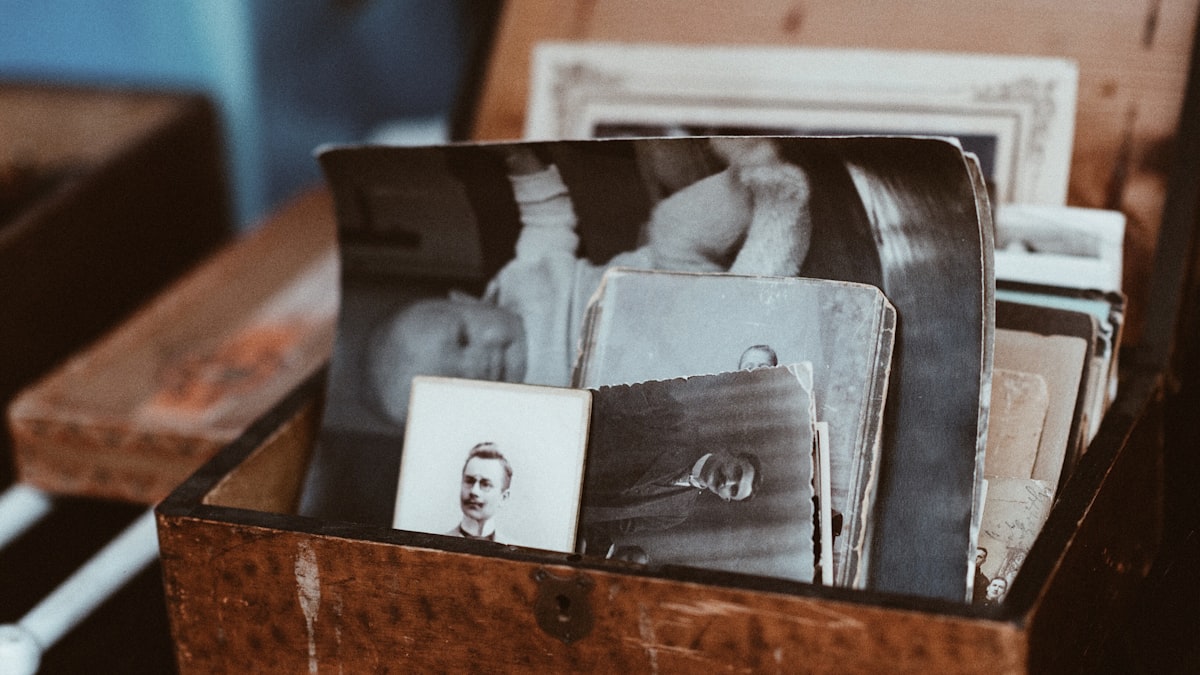
Roughly 800 photographs from the museum's archive digitized, sequenced, and staged as a rotating display in the terrace zone, the first tranche of an archive several times that size, structured so later batches drop into the same system.
A look-up surface for all 1,500 to 2,000 brigade members: a family member searches by last name, including hyphenated and compound surnames, and gets the photograph, the name, and where available the original 1961 record. Phase one is a simple searchable display; phase two is a full interactive kiosk. Scoped and awaiting the museum's confirmation of the underlying member records before it is priced.
System Architecture
Ticket purchases, donation records, newsletter lists, the museum photographic archive, 1961 member records
- Relational contact base where donor, descendant, and member relationships attach to a single person
- Ticket form capture writing demographic and origin fields directly to the contact record
- Migration and consolidation of existing donor and newsletter records from loose files
- Archive digitization and sequencing for continuous display, structured for later batches
- Reporting views built for the museum's county and board obligations
- Member look-up scoped against the 1961 records, handling compound and hyphenated surnames
- County and board reports generated from live ticketing data
- A single contact record per person across donations, memberships, and visits
- A rotating photographic exhibit in the terrace zone
- A member look-up surface ready to build once records are confirmed
Built for a cost-conscious nonprofit with a small staff. Every choice favored the smallest change that solved the actual problem, surfacing an entry window rather than rebuilding ticketing, and holding the directory build until the member data was verified rather than pricing against unknowns.
Results & Impact
First tranche of the archive moved out of folders and into the building, with the system built to take the rest
Descendant status, origin, and age range captured at the point of sale for county and board reporting
Every brigade veteran and martyr accounted for in the directory scope, replacing wall space the museum ran out of